Leading Methods for Safe and Humane Wildlife Removal Solutions
Proper wildlife removal necessitates a balanced approach that prioritizes the safety and well-being of animals. Urban areas often face challenges with a wide range of animal species. Identifying these common problems is essential for successful wildlife management. Applying ethical trapping practices and effective relocation solutions can significantly minimize distress for the wildlife. Residents can also take part in preventative measures. Understanding these strategies can lead to better coexistence with local wildlife, but the details of implementation are key.
Understanding Common Wildlife Challenges in Urban Settings
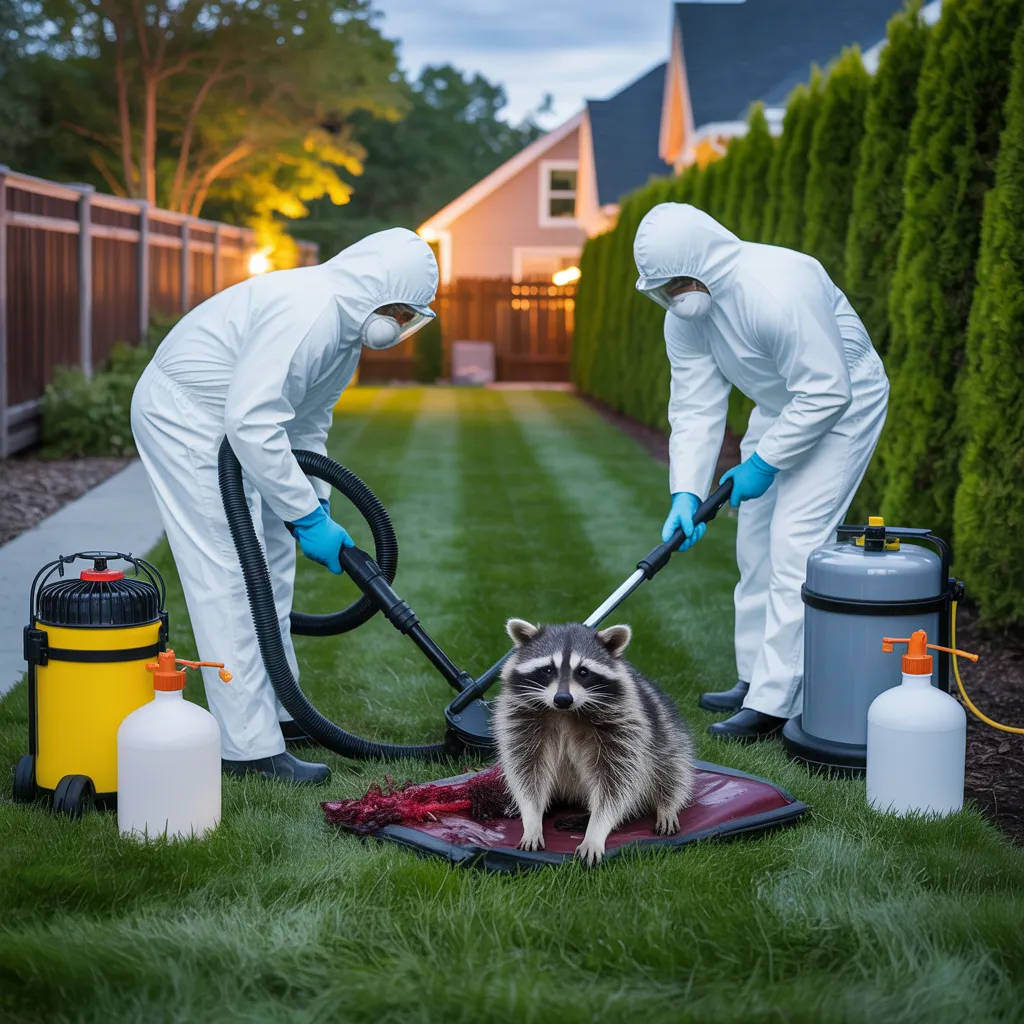
As cities continue to grow, they commonly face a range of animal-related challenges that can disrupt both ecosystems and human life. Typical challenges encompass the intrusion of raccoons, squirrels, and pigeons, which regularly look for sustenance and refuge in populated areas. Raccoons are recognized for scavenging in waste bins, while squirrels are capable of causing harm by settling in attics or destroying electrical cables. Pigeons present health hazards through their droppings which may carry pathogens. Furthermore, stray cats and dogs may accelerate local wildlife reduction by hunting indigenous species. The invasion of natural spaces results in growing tensions between humans and wildlife, commonly leading to physical damage and public safety challenges. Recognizing these challenges is vital for communities seeking to maintain harmony between city growth and local ecosystem conservation, ultimately fostering coexistence between humans and wildlife.
Effective Prevention Techniques for Wildlife Intrusions
Key prevention methods are vital for limiting wildlife disturbances in populated areas. Blocking access points and keeping spaces tidy are two core approaches that can significantly lower the chances of undesirable wildlife interactions. By addressing these key factors, homeowners can create a less inviting environment for animals seeking shelter or food.
Secure Entry Points
When residents adopt proactive strategies to block access points, they greatly minimize the chances of unwanted animal intrusions. Locating possible entry zones, such as holes in siding, fissures in foundations, and openings along utility connections, is essential. Applying long-lasting materials such as steel mesh, caulk, and weather stripping can reliably address these openings. Furthermore, homeowners should ensure that windows and doors are properly fitted, fitting door sweeps to stop small creatures from entering. Routine copyrightinations of rooftops and attic spaces can assist in identifying compromised sections that could become access points. Through the timely resolution of these weak points, homeowners establish a less appealing space for wildlife, consequently strengthening the protection and quality of their residences while encouraging ethical wildlife management approaches.
Sustain Tidy Spaces
Maintaining clean spaces in and around the home considerably lowers the likelihood of wildlife intrusions. Routinely removing clutter, such as piles of leaves or wood, reduces possible shelter spots for animals. Responsible trash handling is necessary; storing waste in covered bins deters unwanted animals. Furthermore, food remnants left outdoors can lure wildlife, so it's essential to clean up after barbecues or outdoor gatherings. Routine landscaping practices, such as trimming overgrown shrubs, clear potential shelter and access points for animals. Moreover, making certain that animal feed is kept inside and feeding pets inside can deter unwanted visitors. By applying these practical deterrent strategies, homeowners can significantly strengthen their barriers against animals, establishing a more secure and welcoming space.
Safe and Humane Methods for Trapping Wildlife?
Wildlife trapping necessitates thorough thought to confirm it is done safely and humanely. Essential considerations involve choosing the right trap, using the right attractant, and employing safe release techniques. Grasping these components is critical for limiting distress and damage to the wildlife affected.
Choosing The Right Trap
What steps can guarantee a compassionate method while picking the correct trap for wildlife? Selecting the appropriate trap is vital for ensuring the safety and well-being of the animal. Different species require specialized trapping solutions, such as live traps for smaller mammals or heavy-duty cage traps for larger species. The trap should be designed to minimize stress and injury, including gentle surfaces and adequate space for the captured animal. Furthermore, it's important to factor in the positioning of the trap, confirming it is positioned in zones where non-target wildlife is unlikely to be disturbed. Regular monitoring of traps is critical to promptly release any captured wildlife, further supporting compassionate methods in wildlife management.
Bait Choosing Guidelines
Selecting the correct bait is critical for efficiently and responsibly trapping wildlife. Various species possess unique dietary habits that should be taken into account. For copyrightple, raccoons are drawn to fruits like apples or berries, while peanut butter or nuts can entice squirrels. Using fresh, natural bait increases the likelihood of success; stale or artificial options may deter animals. It is also essential to refrain from using dangerous materials that may inflict harm. The placement of bait within the trap also plays a significant role; placement should be designed to guide the animal entirely into the trap. Studying the behaviors of the target species offers useful guidance on selecting the most effective bait, promoting responsible and ethical wildlife control practices. In the end, thoughtful bait selection leads to more effective and humane trapping outcomes.
Safe Release Techniques
Choosing the right bait establishes the foundation for a successful trapping endeavor, but the work doesn't conclude at that point. After capturing wildlife, the focus shifts to safe release techniques. Trappers ought to identify release areas that feature fitting habitats removed from residential zones. It is critical to copyrightine the animal's wellbeing before releasing it to verify it has not been harmed or distressed. Limiting the duration of handling can assist in lowering stress in captured animals. The trap should be opened carefully and unhurriedly, permitting the animal to depart on its own terms. Observing from a safe distance can provide the animal with a sense of security. These ethical approaches confirm that wildlife is safely returned to its native surroundings without causing unnecessary suffering or distress.
Moving Approaches for a Considerate Departure
Although wildlife interactions can present difficulties for homeowners, adopting carefully considered relocation methods can provide a humane solution for the animals in question. Central to successful relocation is gaining insight into the unique needs and habits of the species involved. This includes selecting appropriate release sites that provide ample food, shelter, and safety from predators.
Timing is also essential; relocating during ideal weather conditions helps minimize animal stress. Using humane trapping methods ensures the wildlife is captured safely and enables safe and gentle transfer to a new location.
Follow-up monitoring after relocation can be used to evaluate the success of the strategy, verifying that the wildlife adjusts successfully to its new surroundings. By focusing on these strategies, homeowners can support the health of local wildlife while managing their own challenges. Such an approach not only encourages coexistence but also nurtures a deeper appreciation of the natural world.
When Should You Call a Professional for Wildlife Removal?
When is it essential for homeowners to seek professional assistance for wildlife removal? Residents should think about calling in specialists when they face wildlife that carries potential health dangers, like raccoons or bats, which are capable of spreading illnesses. Additionally, if animals have nested in hard-to-reach areas, such as attics or walls, professionals possess the tools and expertise needed for safe extraction.
Evidence of significant property damage, like damaged wires or insulation materials, also require specialist involvement to avoid additional problems. If more than one animal is present, or if the problem intensifies, read about this professionals can analyze the conditions accurately. Additionally, area guidelines may necessitate a certified expert for specific wildlife, ensuring compliance with wildlife laws. In the end, when personal safety, property condition, or legal requirements are in question, hiring an expert represents the wisest decision for homeowners facing wildlife challenges.

The Importance of Humane Wildlife Removal for Homeowners
Concern for animals plays a vital role for property owners facing animal invasions. Humane wildlife removal places the health of animals first while successfully managing unwanted visitors. By using non-lethal methods, homeowners can guarantee that displaced creatures are relocated safely and humanely, lessening distress and damage to the wildlife.
Additionally, opting for ethical solutions nurtures a sense of responsibility and ethics in homeowners, aligning their actions with environmental stewardship. This approach can also help avoid potential legal issues, as many regions have legislation preserving certain wildlife species.
In addition, ethical wildlife management minimizes the risk of property damage and fosters more balanced ecosystems. Through recognizing the importance of living harmoniously with wildlife, residents can implement preventive steps to deter future intrusions, such as blocking potential entry areas and utilizing effective deterrents. In the end, humane wildlife removal not only protects local wildlife but also strengthens the homeowner's confidence and comfort.
Common Questions and Answers
What Are the Legal Guidelines for Wildlife Removal in My Location?
Laws and regulations for wildlife control differ by region, typically requiring permits for certain species. It is important to contact local wildlife agencies to understand applicable laws, including guidelines for humane treatment and potential restrictions on certain removal methods.
What Are the Signs That Wildlife Is Damaging My Property?
Indicators of wildlife inflicting property harm include droppings, visible holes, chewed wires, or odd sounds, particularly at night. Property owners are advised to conduct routine inspections to identify potential issues before they escalate into significant damage.
Are There Any Risks to My Pets During Wildlife Removal?
In the course of the wildlife removal process, pets can encounter risks including tension, likely interactions with wildlife, or exposure to hazardous substances. Keeping pets confined to a protected space can mitigate these concerns effectively.
What Is the Typical Duration of the Wildlife Removal Process?
Wildlife removal typically takes anywhere from a few hours to several days, depending on considerations like the type of species involved, how severe the infestation is, and how complex the removal methods required are.
What Should I Do if Wildlife Returns After Removal?
If wildlife returns after removal, the property should be reassessed for potential entry points, reinforce barriers, and look into hiring a professional for assistance. Making certain that food sources are removed can also discourage re-infestation and support sustainable long-term remedies.